The Journey

A Long Conversation
With Humanity

For fifteen years, I've worked across refugee camps, UN meeting rooms, universities, villages, boardrooms, and public festivals. I remember moments that quietly changed the way I see people. I remember faces. I remember conversations. At first, I thought I was moving through different sectors. I later realised I was meeting different expressions of the same human experience.

2014 — Where It Began
Independent University Bangladesh · SNV Netherlands Development Organisation
Zarin's first roles ran in parallel — teaching MBA students at Independent University Bangladesh by day, and advising SNV on national communication strategy and media campaigns by evening, including work later expanded through the Bill & Melinda Gates Foundation and the Embassy of the Kingdom of the Netherlands.
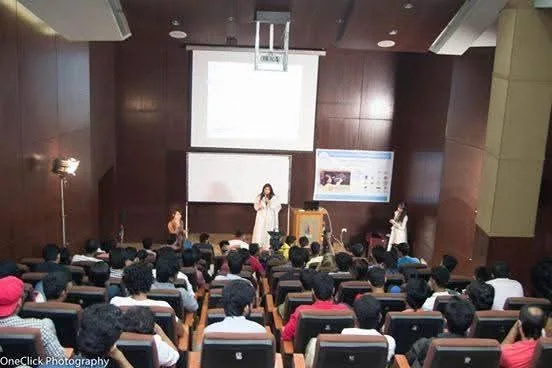
Zarin Zeba Khan teaching at IUB
2015 — Seeing Value
SNV · Bill & Melinda Gates Foundation
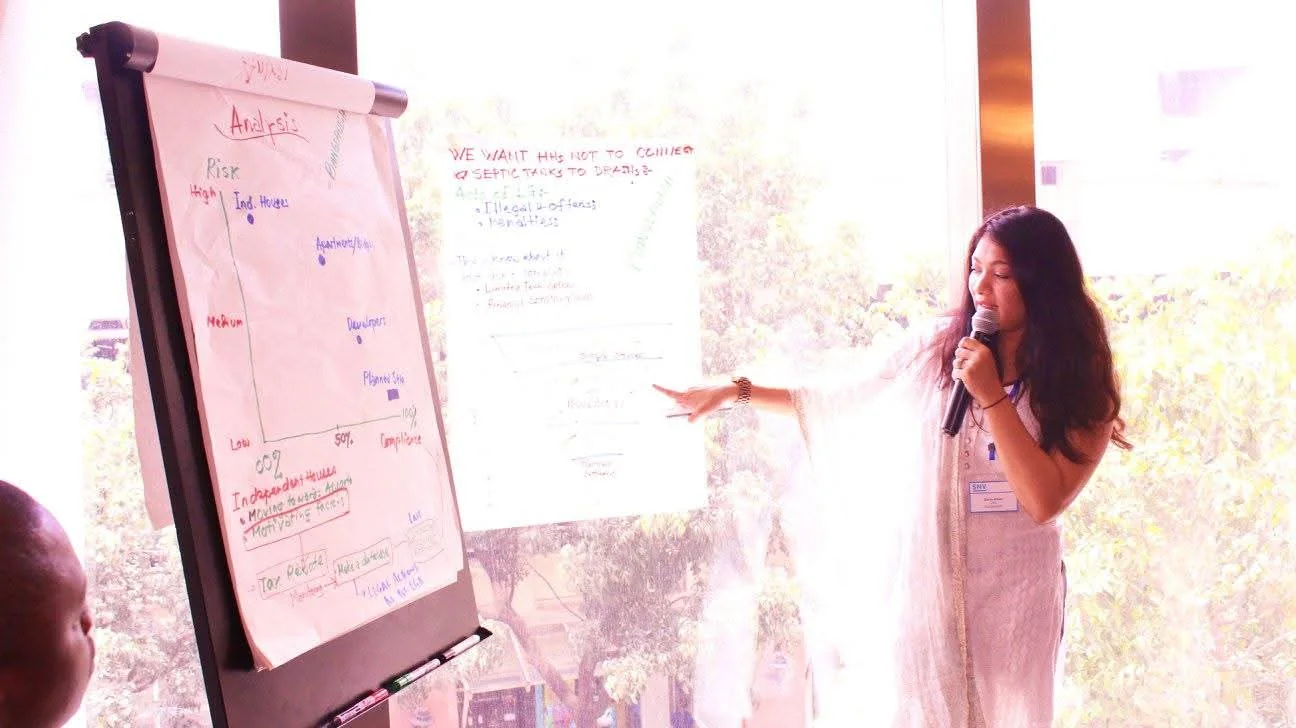
Who knew one of my biggest lessons would come from human waste? Working on Faecal Sludge and Septage Management, I met drain cleaners, Dalit communities, and visited Manila to see how human sludge becomes fertilizer and energy.
Innovation begins when we learn to find value where others see only waste.
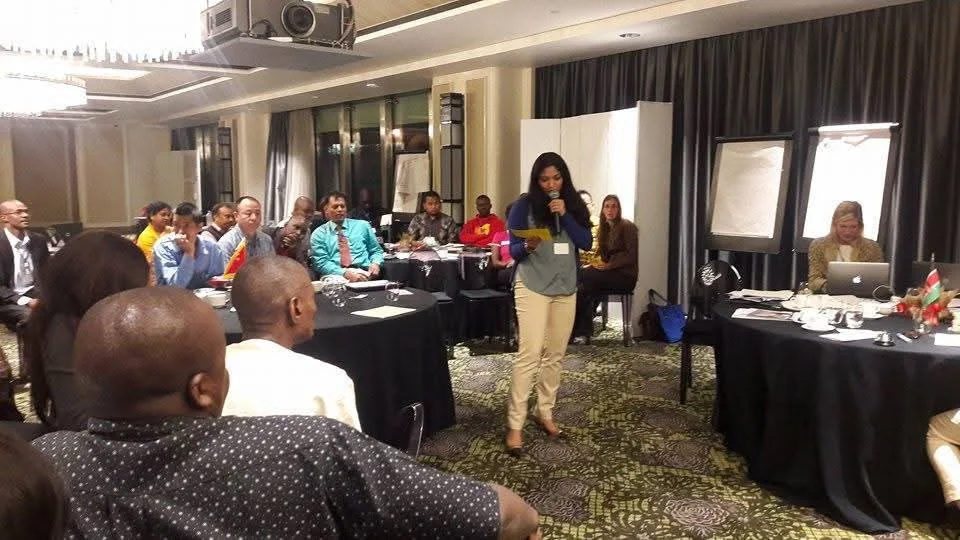
Presenting to an international audience on SNV's Faecal Sludge Management work
Workshop analysis session on SNV's sanitation and septage management program
2016 — Losing Control
SNV · Nepal
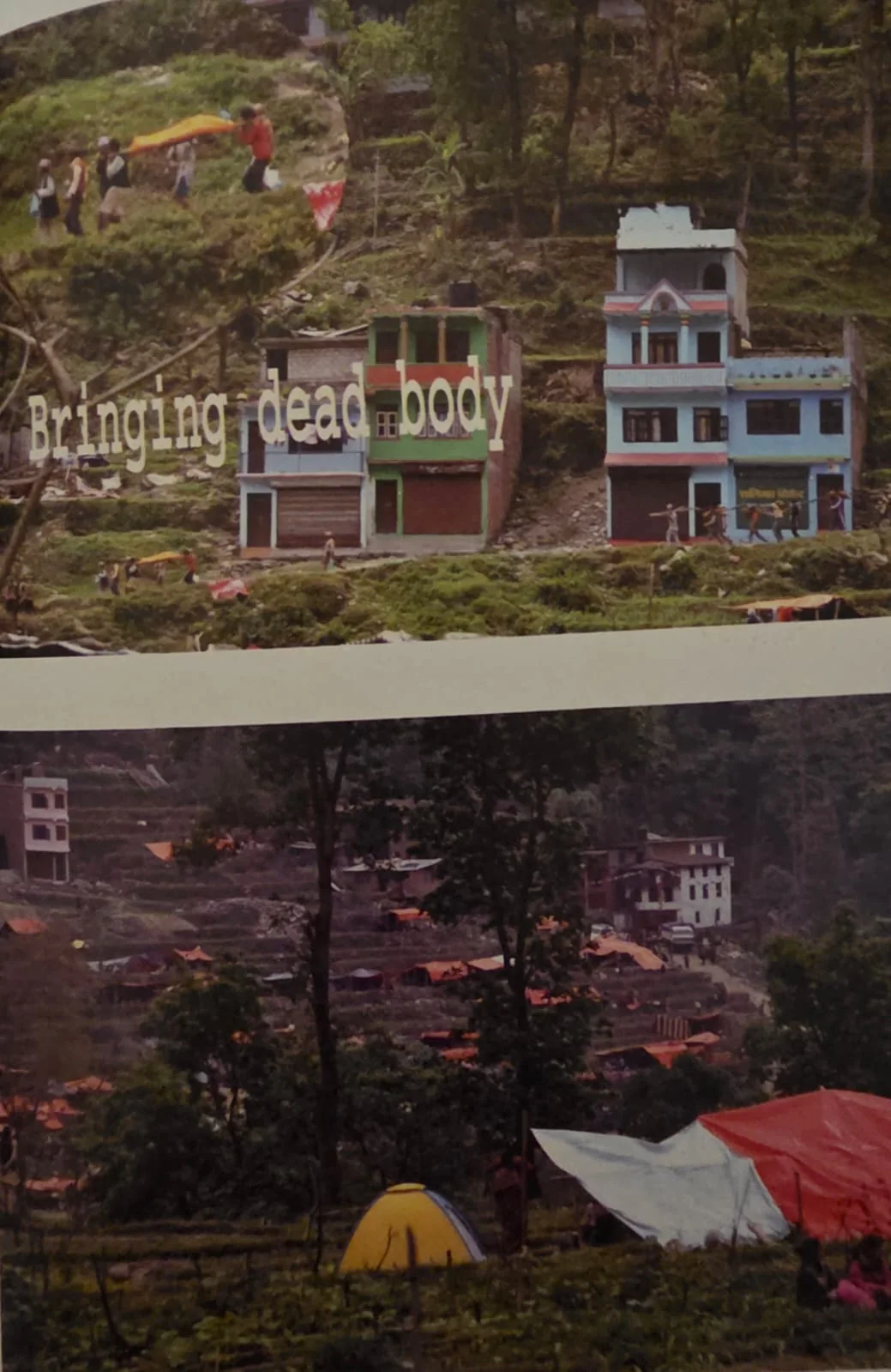
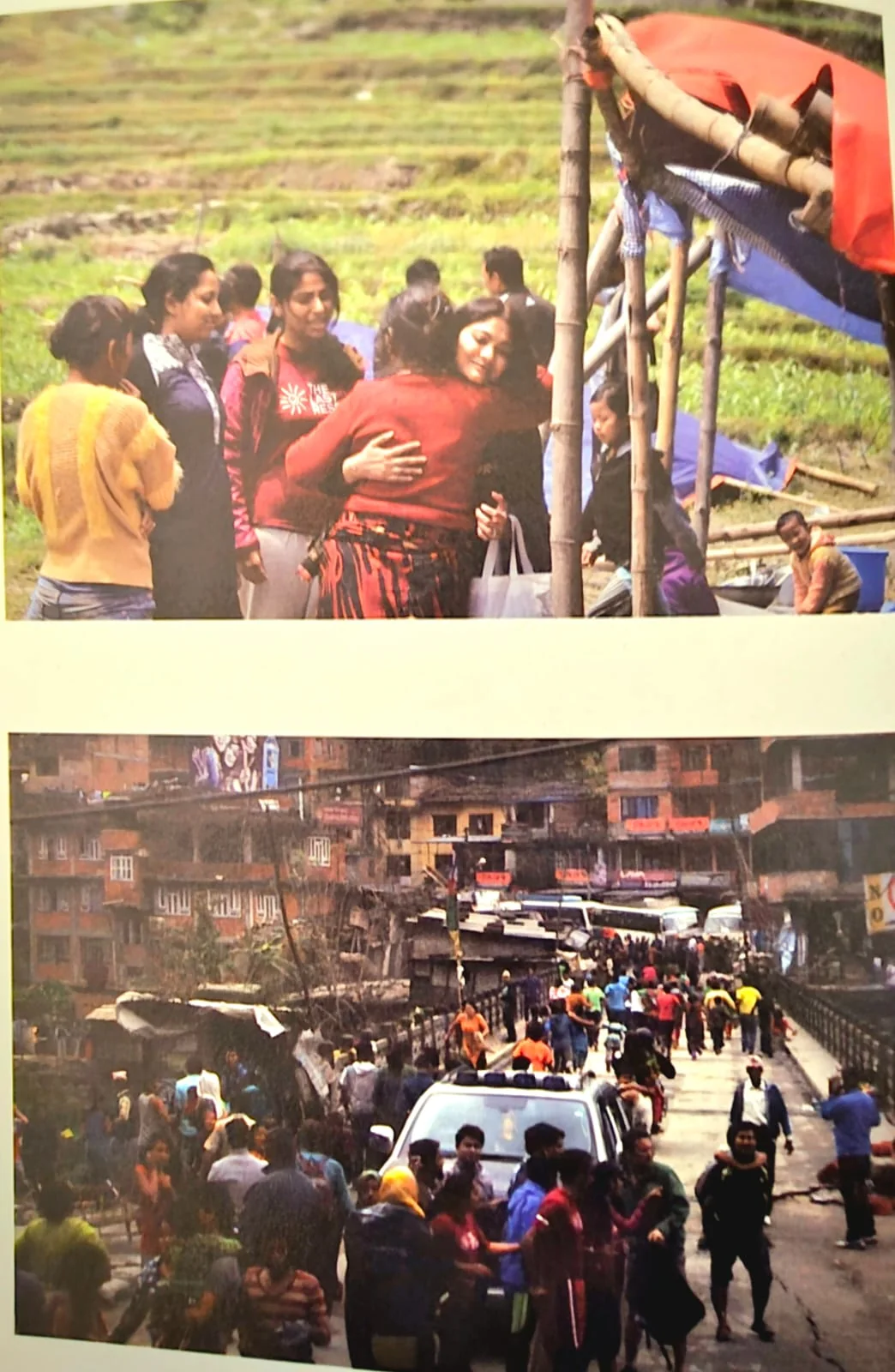
An office retreat became an earthquake. At a place called The Last Resort, life reminded me how quickly certainty disappears. Later that year, she was awarded a 50% scholarship to Harvard Business School's CSR & Social Enterprise Program — the first formal bridge between her development work and business strategy.
Just when we think we're in control, the ground reminds us otherwise.
Community response after the Nepal earthquake, SNV office retreat
Aid camps and the aftermath following the Nepal earthquake
2017 — Resilience
UN Women · Cox's Bazar
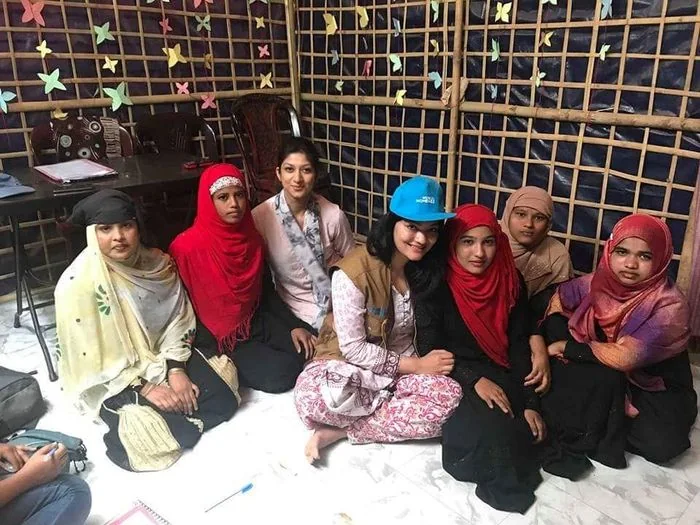
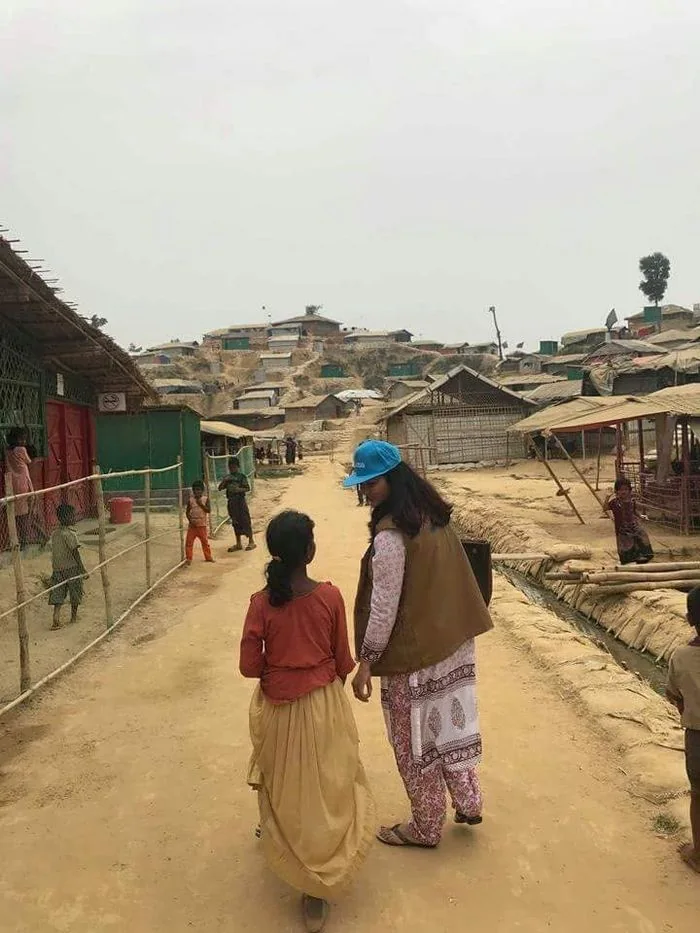
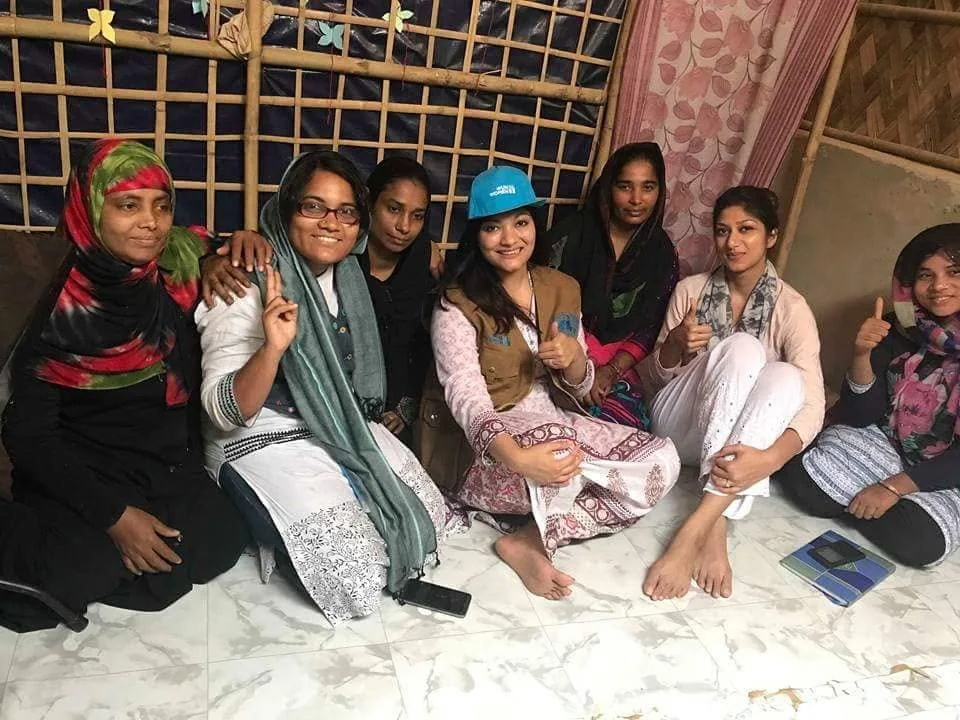
I listened to Rohingya women speak about loss, survival, and hope. Their stories taught me that people are often stronger than the stories told about them.
Resilience is rarely loud. Sometimes it simply chooses to continue.
Rohingya girls, Cox's Bazar
Zarin walking with a young girl in the camp
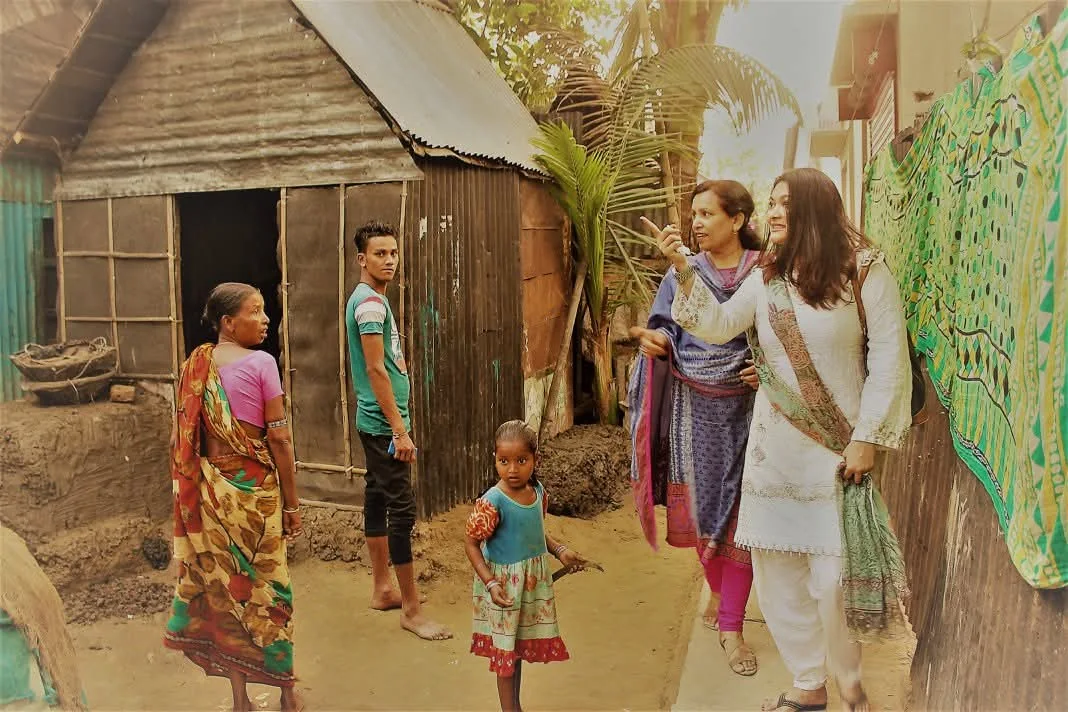
Zarin and a colleague speaking with residents during a community visit
Zarin with women from the Rohingya community, UN Women field visit
2019 — Borders
UN Women · Tanzania
I carried stories from Bangladesh across borders. Different languages. Different cultures. Yet many women carried the same fears, dreams, and barriers.
Humanity speaks a language that borders cannot translate.
International collaboration meeting, UN Women Tanzania
2021–2022 — Courage, and a Different Table
World Vision Bangladesh · Global Affairs Canada
COVID-19 revealed something no textbook ever could — fear and courage can exist in the same heart. While advocating for children's mental wellbeing at World Vision, I realised emotional health deserves as much attention as academic success. Alongside that advocacy, she served as Gender Equality Advisor to the Canadian High Commission in Dhaka, providing technical guidance across four bilateral GBV-focused projects and helping shape donor policy under Canada's feminist aid framework.
Vulnerability isn't the opposite of strength. It's where strength begins.
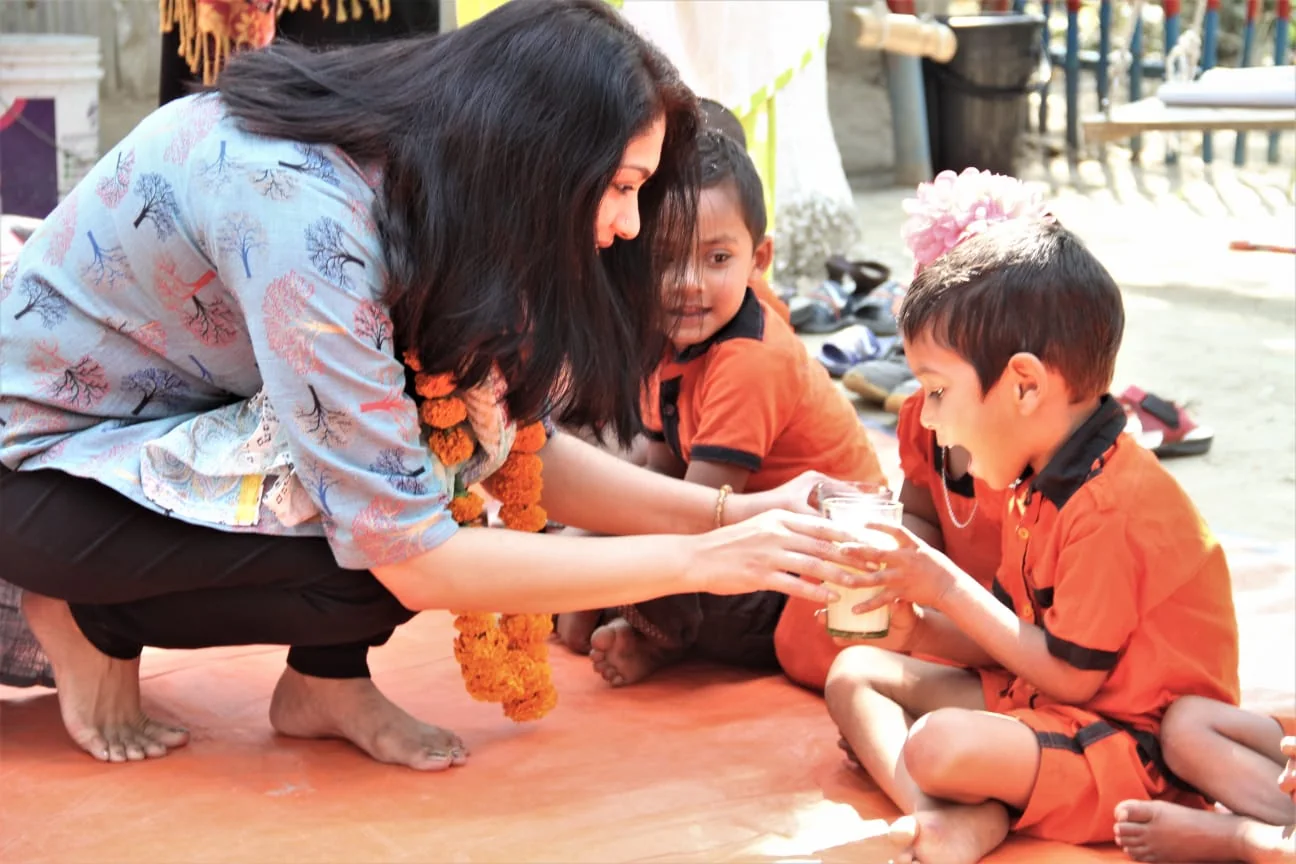
Zarin with children during a World Vision community visit
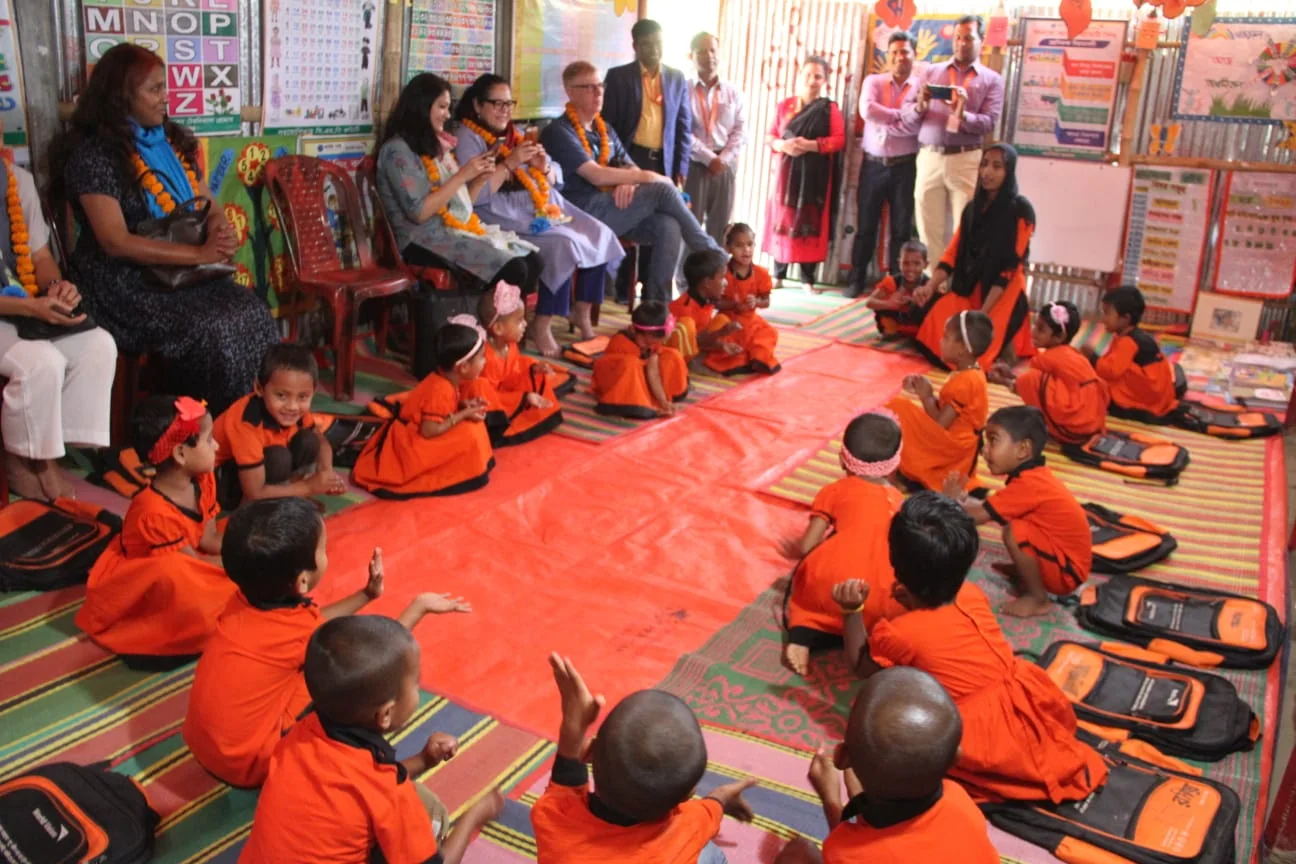
Delegation visit with World Vision and Canadian High Commission representatives
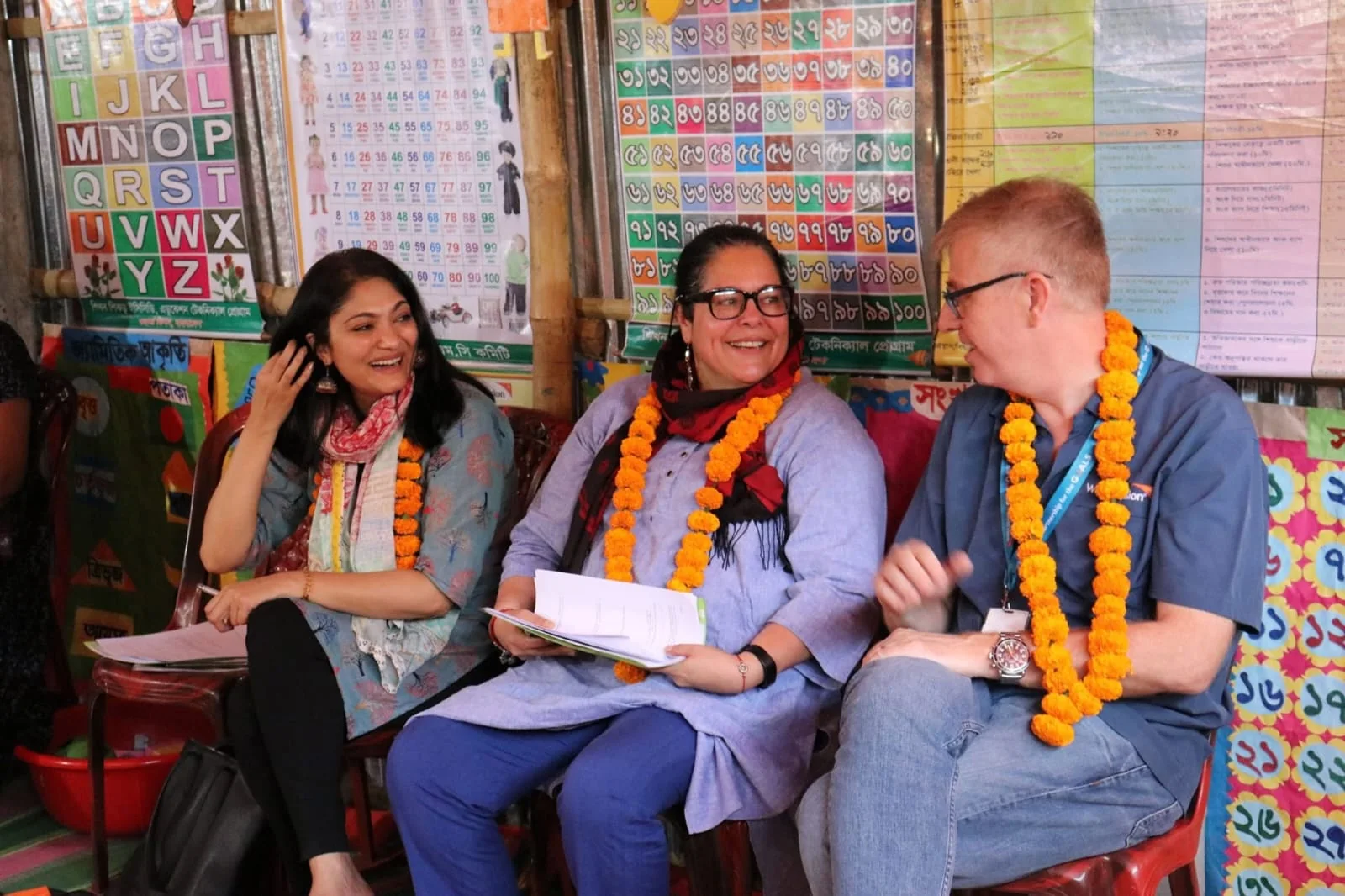
Zarin with World Vision colleagues during a school visit
2022–2023 — Back to the Classroom
University of Liberal Arts Bangladesh (ULAB)
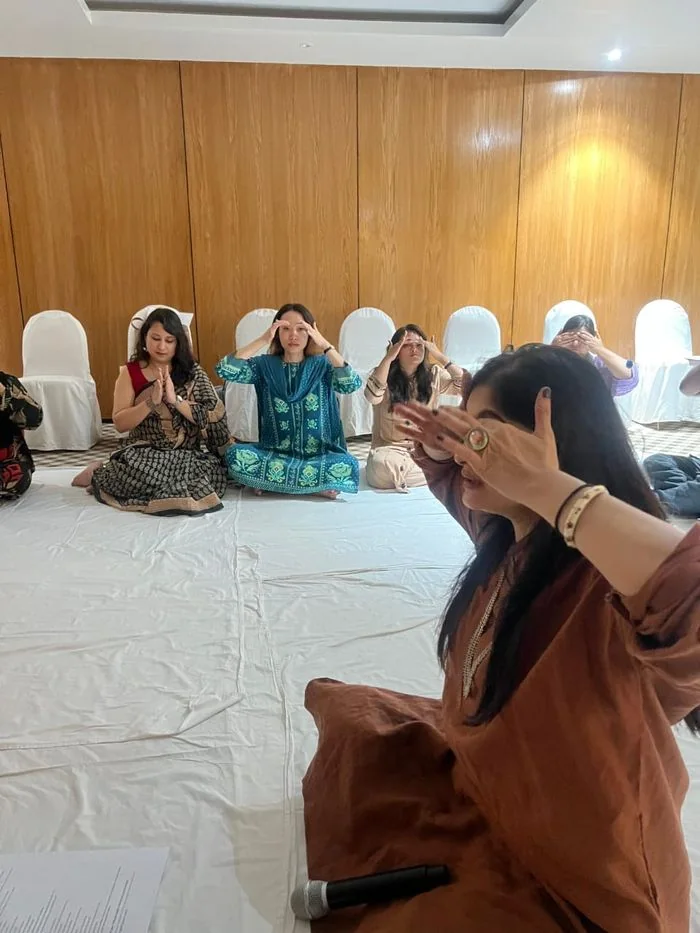
A second faculty chapter — this time in ULAB's MBA program, weaving mindfulness, sound therapy, and social conditioning awareness into courses on business communication and international business.
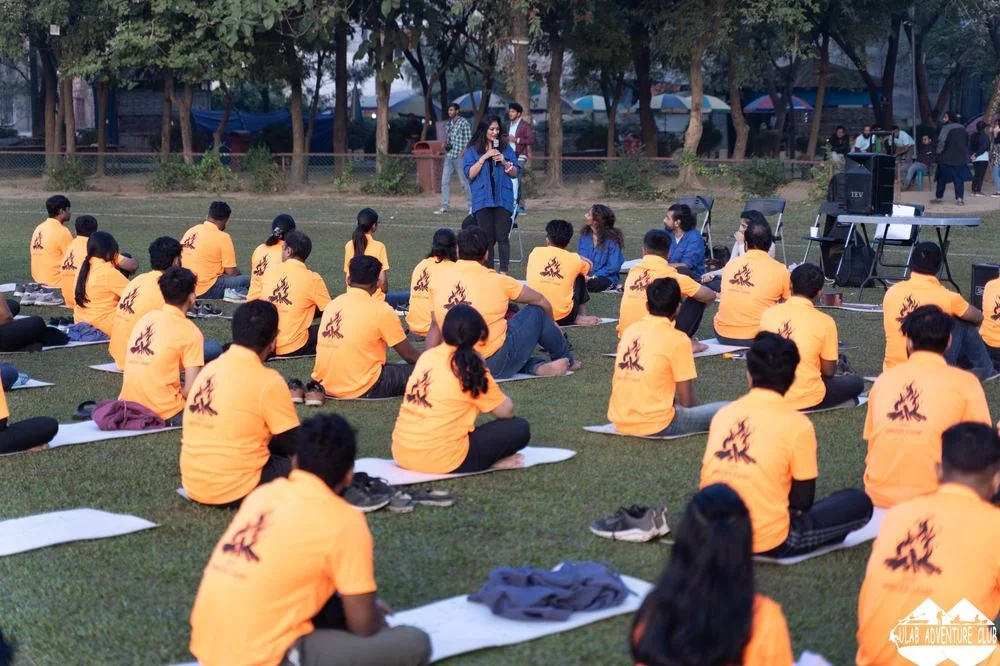
Zarin leading a session at ULAB
2023 — Building MajhaMajhi
Founder & Strategic Lead, MajhaMajhi
Zarin founded MajhaMajhi as a platform for honest conversations about mental health, identity, relationships, and the experiences people often carry quietly. It brings together storytelling, public dialogue, creative practice, and community care — creating spaces where people can feel seen without being reduced to a diagnosis or a label.
Some conversations do not need fixing. They need a place to exist.
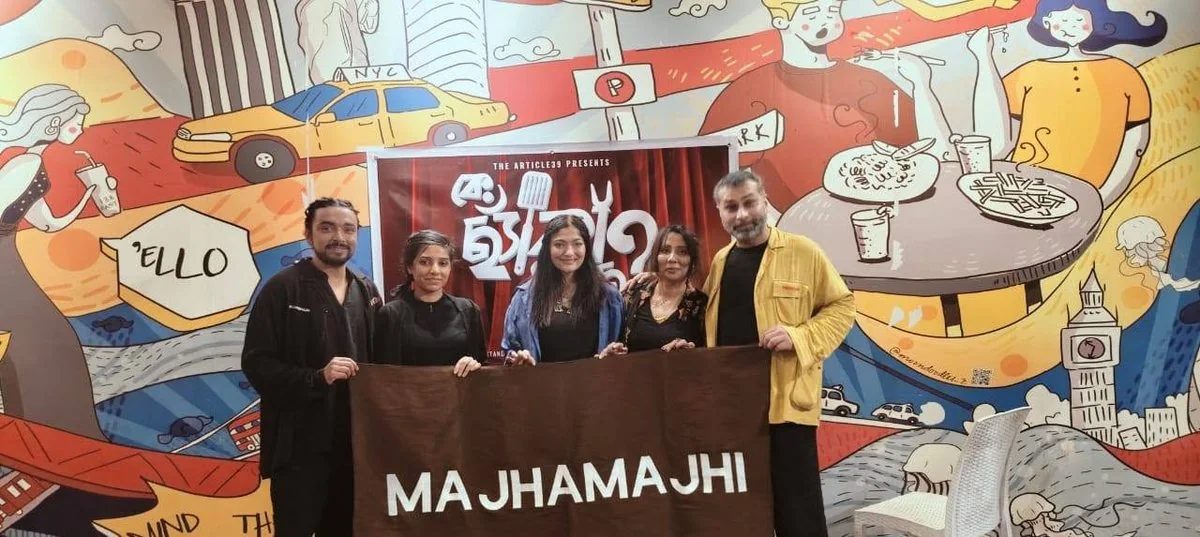
Zarin with the MajhaMajhi team
MajhaMajhi logo
2023 — Taking the Conversation Public
Mon Utsob · Bangladesh Academy
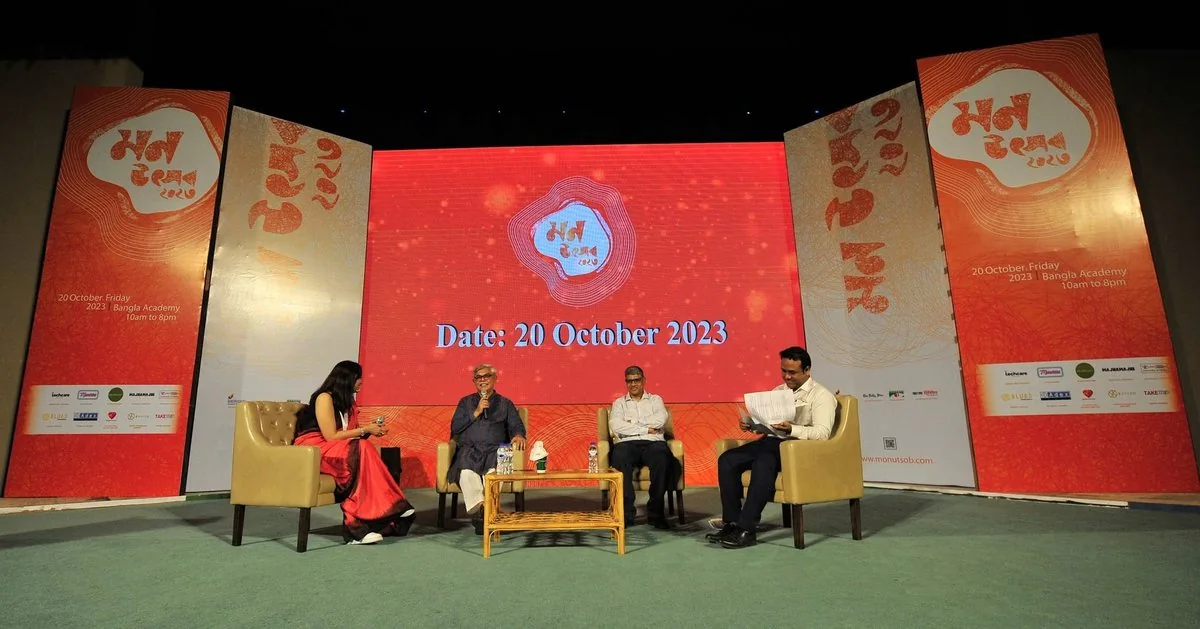
Through Mon Utsob, mental health moved into a public cultural space. The festival brought together conversation, reflection, art, and lived experience — making wellbeing something people could approach collectively rather than privately or with shame.
Mental health belongs in our public language, not only behind closed doors.
Mon Utsob panel at Bangladesh Academy in 2023
2024 — Listening
University of Dhaka
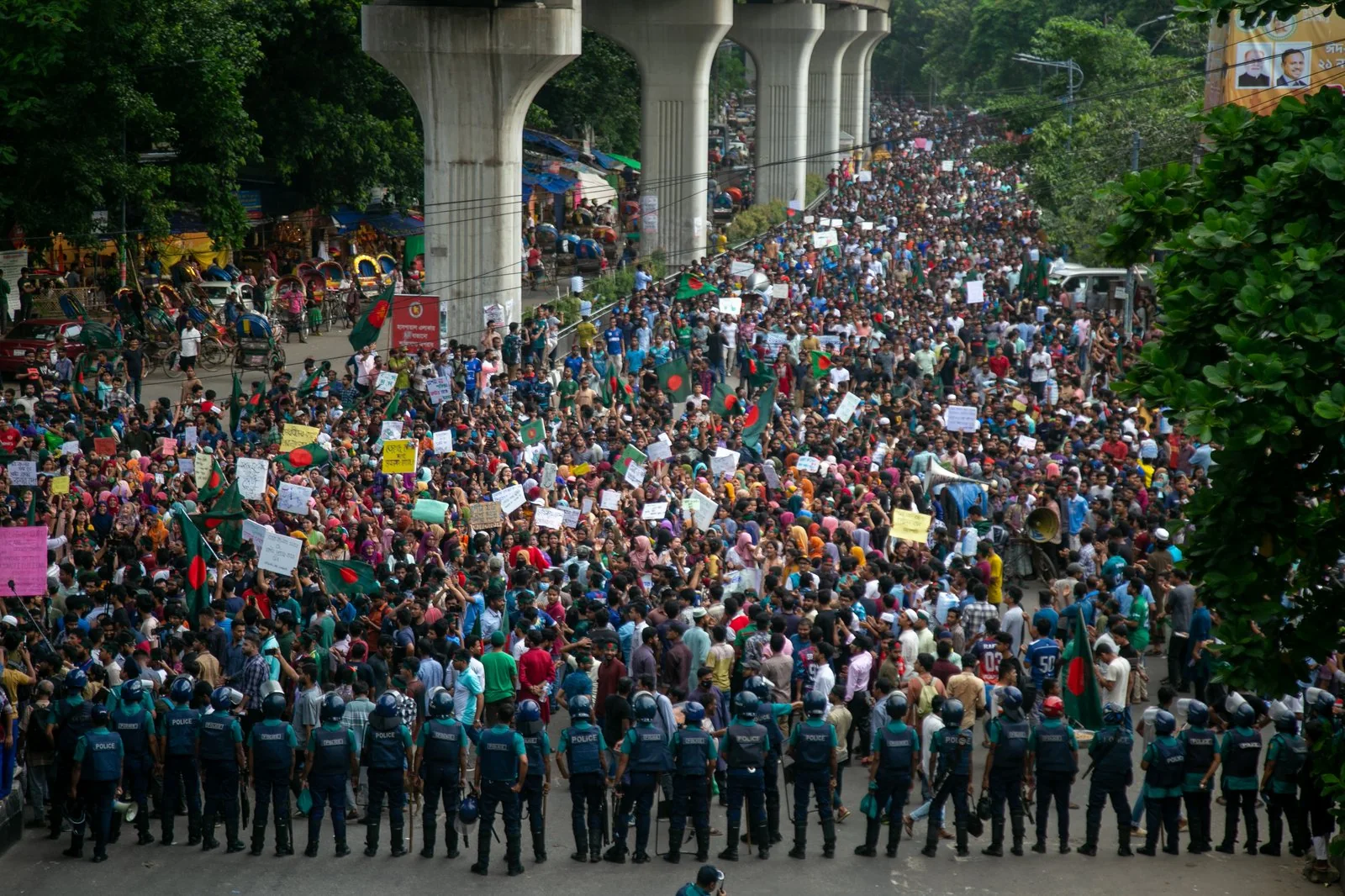
After months of political unrest, I sat with students carrying grief, anger, and uncertainty. I wasn't there to give answers. I was there to create space.
Sometimes healing begins when someone finally feels heard.
Student demonstrations during the 2024 quota reform movement
2025 — Invisible Heroes, and a Book
ActionAid · Cox's Bazar
I worked with humanitarian responders supporting survivors of gender-based violence in the Rohingya response. They spend their days carrying other people's pain. For two days, we focused on carrying their own. That same year, Dear Shadow, I See You — Bangladesh's first interactive mental health workbook — was published, turning fifteen years of field lessons into thirteen chapters anyone could sit with at home.
The people who look after others deserve someone to look after them too.
Self-care training for humanitarian responders, Cox's Bazar
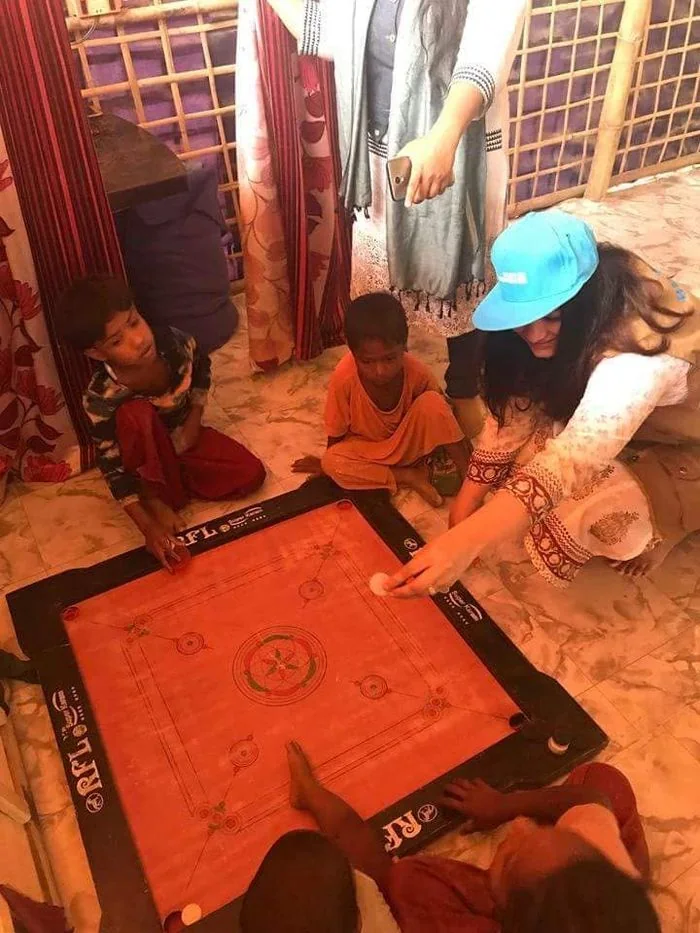
Play-based psychosocial support activity
The Book — Dear Shadow, I See You
Bangladesh's First Interactive Mental Health Book
Dear Shadow, I See You grew from Zarin's years of listening to the thoughts people often hide from others — and sometimes from themselves. The interactive book invites readers to pause, write, reflect, and meet difficult emotions with curiosity rather than judgment.
Healing can begin when the parts we hide are finally acknowledged.
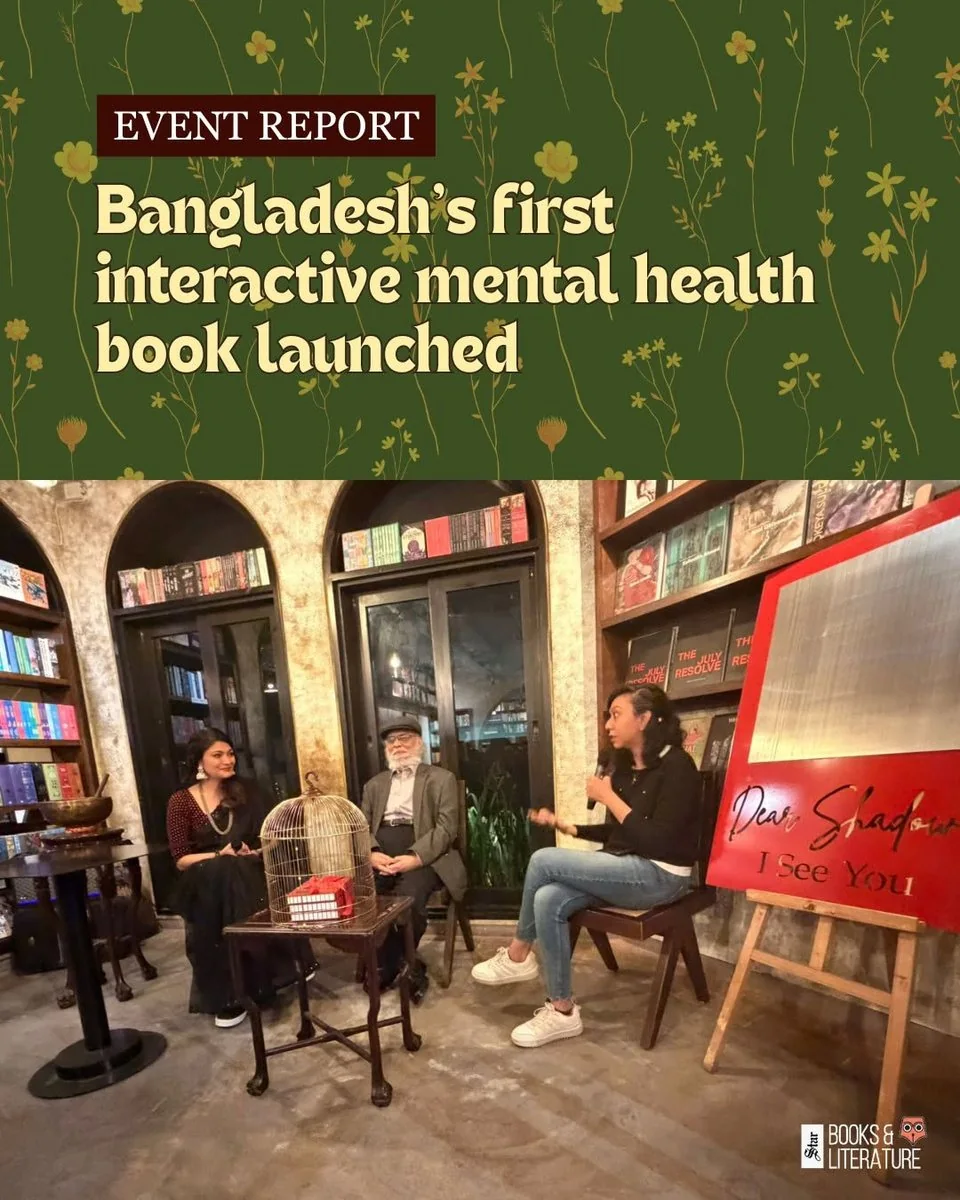
Event report and discussion at the launch of Dear Shadow, I See You
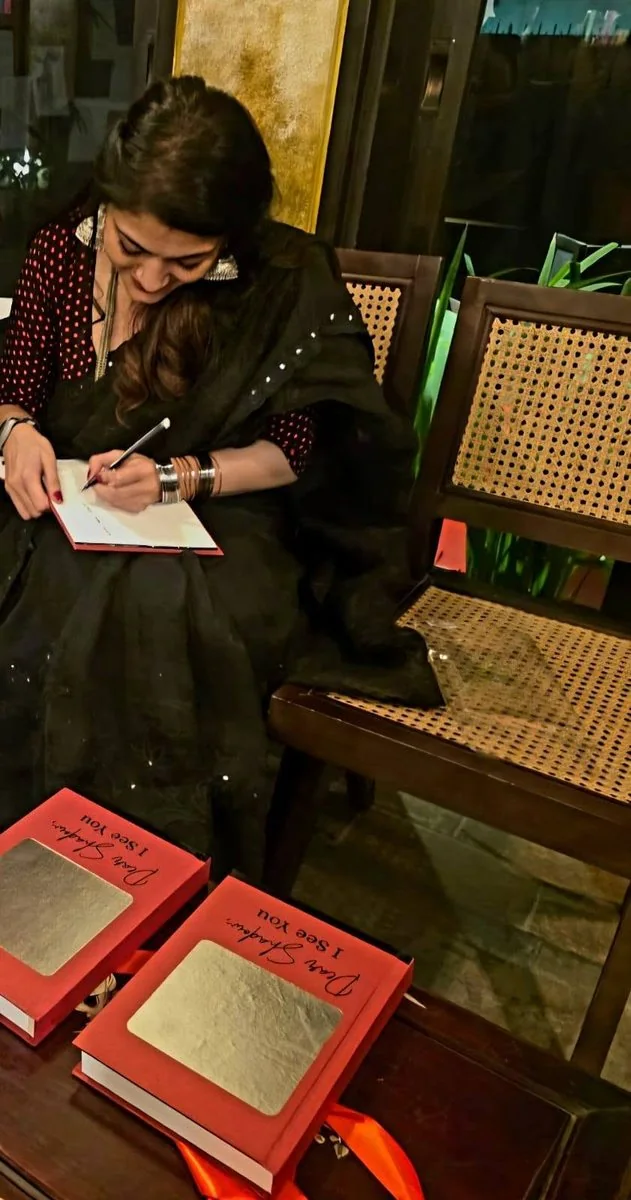
Zarin signing copies of Dear Shadow, I See You
2026 — Reaching the First Responders
World Vision Bangladesh · Khulna Metropolitan Police
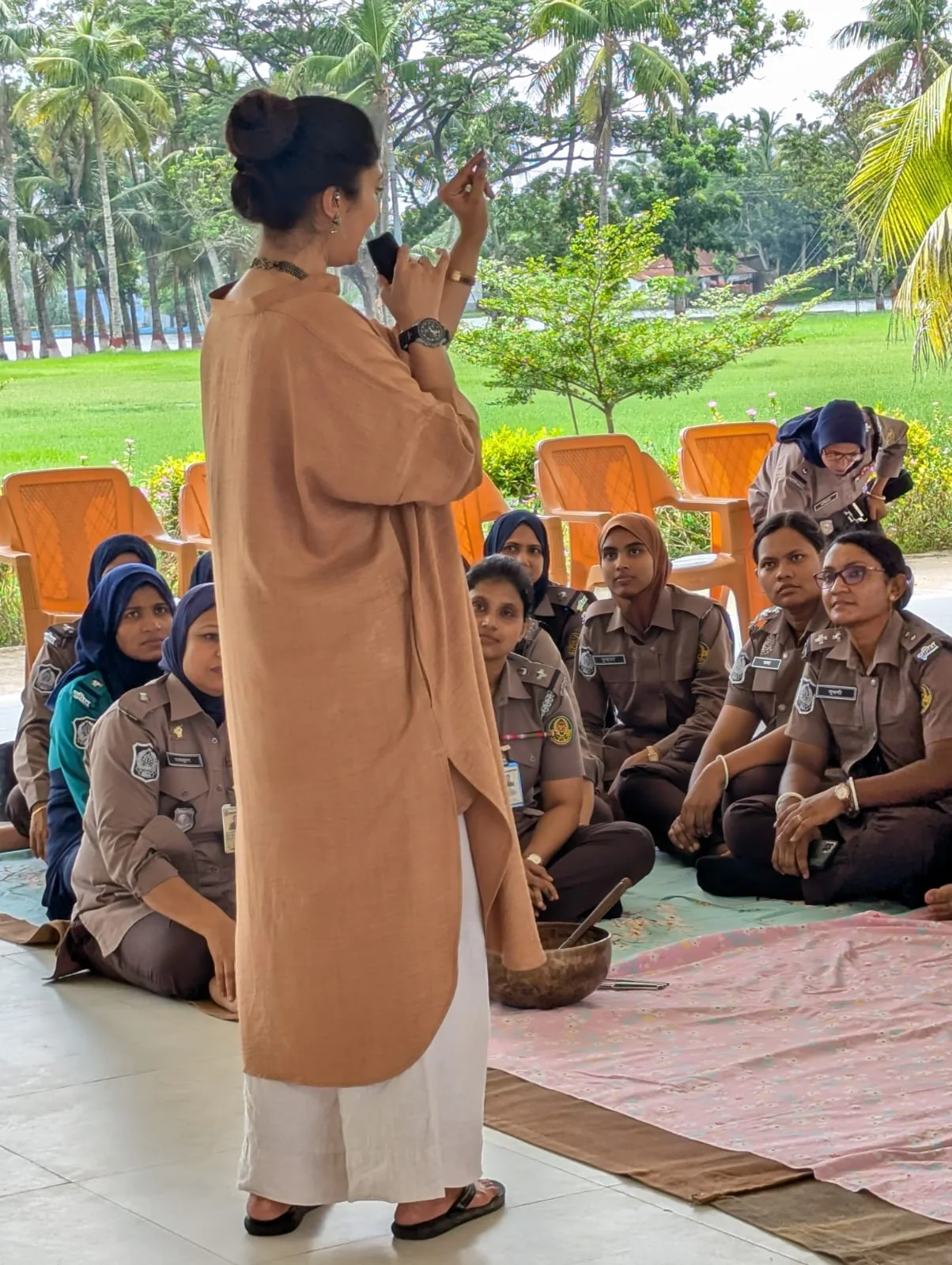
Nine out of every ten children in Bangladesh face some form of violence — even inside their own homes. That statistic sat at the center of a two-day psychosocial care training Zarin led for 33 Khulna Metropolitan Police officers, organized by World Vision Bangladesh through its Child Voice and Action advocacy groups. The training gave frontline officers the empathy and psychosocial tools to better support victims of violence — child-friendly practices, positive communication, and how to actually listen.
The people meant to protect children need to be equipped to hear them first.
Khulna Metropolitan Police officers during the psychosocial care training session